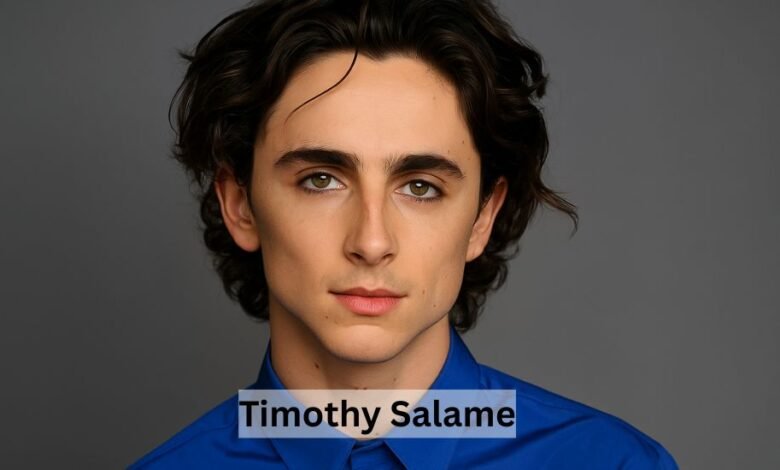
Timothy Salame has recently become a name sparking curiosity across the internet. While many people recognize the name as a playful or mistaken version of Hollywood actor Timothée Chalamet, “Timothy Salame” has taken on a digital identity of its own—often used affectionately, humorously, or even accidentally in pop culture circles. Whether it’s part of online fandom culture, memes, or general confusion, the name Timothy Salame symbolizes how the internet can shape and reshape a celebrity’s persona in unexpected ways.
This article dives deep into the fascinating rise of the name Timothy Salame, its connection to Timothée Chalamet, the viral internet trend behind it, and how it represents the lighter, more human side of celebrity fame in the digital era.
The Origin of the Name “Timothy Salame”
The name “Timothy Salame” is, in essence, a humorous anglicization or mispronunciation of Timothée Chalamet, the acclaimed American–French actor best known for his performances in Call Me by Your Name, Dune, and Wonka. Fans who found his French name difficult to pronounce began jokingly calling him “Timothy Salame,” which quickly became an internet meme.
This playful version of his name started circulating on platforms like Tumblr, Reddit, and Twitter (now X). It was initially meant as a tongue-in-cheek way to simplify his name but eventually turned into a funny and endearing nickname embraced by his fanbase. Some people even believed that “Timothy Salame” was a completely different person, adding to the viral confusion.
In today’s meme-driven culture, this isn’t unusual. Celebrities often develop online alter egos or humorous nicknames that live on independently of their real personas—and Timothy Salame is a perfect example of that phenomenon.
The Real Star Behind the Name
To understand why “Timothy Salame” caught on, one must understand the charm of Timothée Chalamet. Born on December 27, 1995, in New York City, Chalamet grew up bilingual, speaking both English and French. His career began in theater and television before his breakout role in Call Me by Your Name (2017), which earned him an Academy Award nomination at just 22 years old.
Since then, Chalamet has become a cultural icon—a blend of classic film star and modern influencer. His performances in Dune, Little Women, and Wonka have solidified his reputation as one of Hollywood’s most versatile young talents. But beyond his acting, it’s his natural charisma, distinctive fashion choices, and humble demeanor that made him a favorite among fans.
Thus, Timothy Salame became the internet’s way of expressing affection for this superstar in a lighthearted way—an inside joke shared by millions of fans.
Why “Timothy Salame” Went Viral
The internet loves to create and remix culture, and Timothy Salame is a perfect storm of humor, celebrity fascination, and relatability. Here are a few reasons the name gained viral momentum:
- Pronunciation Confusion: Many fans struggled to pronounce “Timothée Chalamet” correctly, leading to creative mispronunciations that became memes.
- Meme Culture: Online communities often exaggerate or anglicize celebrity names as a way to express fondness or poke gentle fun.
- Fan Cam Aesthetic: On platforms like TikTok, fan edits labeled “Timothy Salame” became popular, blending humor with admiration.
- Pop Culture Reinforcement: As Chalamet’s fame grew—starring in Dune 2 and Wonka—so did the humorous nickname.
- Universal Appeal: The name “Timothy Salame” sounds both familiar and funny, bridging language barriers.
What makes this trend special is that it reflects how modern fandoms engage with stars—not just through admiration, but through playful creativity.
The Internet’s Relationship with Celebrity Identities
The rise of “Timothy Salame” shows how fans today play an active role in shaping celebrity images. In previous generations, a star’s public image was tightly controlled by studios and media outlets. But now, through social platforms, fans remix, rename, and reinvent their idols in ways that feel personal and participatory.
This democratization of fame blurs the line between the real and the virtual. While Timothée Chalamet remains a serious actor respected in Hollywood, Timothy Salame lives in a parallel digital world—funny, exaggerated, and completely fan-made.
Interestingly, this duality hasn’t harmed Chalamet’s image. Instead, it enhances his relatability. The nickname “Timothy Salame” adds a layer of approachability to a global superstar, reminding everyone that even the most polished celebrities can be the subjects of affectionate internet jokes.
Cultural Impact of the “Timothy Salame” Meme
Online nicknames like Timothy Salame aren’t just jokes—they’re cultural artifacts of how digital communities bond over shared humor. Similar trends have emerged for other stars too. But “Timothy Salame” stands out because of the unique charm surrounding Chalamet’s personality.
- Fan Art and Edits: Artists online often use “Timothy Salame” as a tag for humorous sketches, gifs, or edits.
- Social Media Threads: Twitter and Reddit users share “Timothy Salame moments,” compiling clips of Chalamet’s interviews or red-carpet appearances with funny captions.
- Pop Culture Language: The name is now occasionally used as shorthand for “a young, stylish, talented actor,” even beyond Chalamet himself.
What began as a joke evolved into a term of endearment—proof that fans can shape language and celebrity narratives alike.
Timothy Salame vs. Timothée Chalamet – The Line Between Fiction and Reality
Though Timothy Salame doesn’t officially exist, he represents a lighter, alternate identity of Timothée Chalamet. In a way, Timothy Salame is the fan-made caricature—a more exaggerated, meme-friendly version of the actor.
This is part of a larger cultural shift. In the social media age, stars are constantly reinterpreted by audiences. The same person can be a serious artist and a meme at the same time. For example, while Chalamet is promoting Dune: Part Two on press tours, fans are creating “Timothy Salame” TikToks that playfully exaggerate his expressions or outfits.
Rather than resist it, many celebrities embrace this dual identity because it fuels fan engagement. For Chalamet, this humorous nickname has only added to his cultural presence.
Why Fans Love “Timothy Salame”
The continued popularity of Timothy Salame lies in how fans perceive Timothée Chalamet: humble, relatable, and a little quirky. Fans use the nickname to humanize a celebrity who might otherwise seem distant. It creates a sense of connection—like they’re in on a private joke.
This phenomenon underscores how fandoms today are not just about admiration—they’re about participation. By calling him “Timothy Salame,” fans playfully reshape his identity while celebrating him in their own creative language.
The Legacy of the “Timothy Salame” Trend
The “Timothy Salame” meme will likely remain a small but memorable part of internet culture. It captures the essence of how digital audiences express affection and humor in an age of constant media consumption.
It’s also a testament to Timothée Chalamet’s reach. Very few celebrities inspire such global affection that their name itself becomes meme-worthy. Whether people are fans of his performances in Wonka, Dune, or Call Me by Your Name, the nickname keeps him in the public conversation in a fun, lighthearted way.
Final Thoughts
The story of Timothy Salame is more than just a meme—it’s a reflection of modern fandom, language play, and the evolution of celebrity culture in the digital era. Through humor and community, fans have created an alternate identity that’s both hilarious and oddly endearing.
As the world continues to follow Timothée Chalamet’s remarkable career, the online version—Timothy Salame—remains a reminder that fame today isn’t just about the person; it’s about how people connect with them.
At Brieflyx Celebrity, we love exploring how culture, humor, and storytelling intertwine in the modern world. And “Timothy Salame” perfectly captures that blend of internet creativity and human connection that defines our digital age.